

Project Portfolio
Browse our project portfolio.

Open For Sponsorship

P1367 Sustainability Navigator Project
Global Sustainability Navigator for the Minerals Sector — Amira Sustainability Intelligence and Governance Platform This is a strategic R&D project with a relatively small budget, and we are seeking Industry Agents of change and influence to sponsor this project. The Challenge: A complex and fragmented sustainability landscape Corporate sustainability reporting and governance have become increasingly complex and fragmented. Minerals companies must navigate multiple disclosure frameworks, industry commitments, regulatory obligations, and site-level standards and certifications, creating duplication, inefficiency and risk, particularly…
 Silvia Black
Senior Program Manager
Silvia Black
Senior Program Manager
 Under Development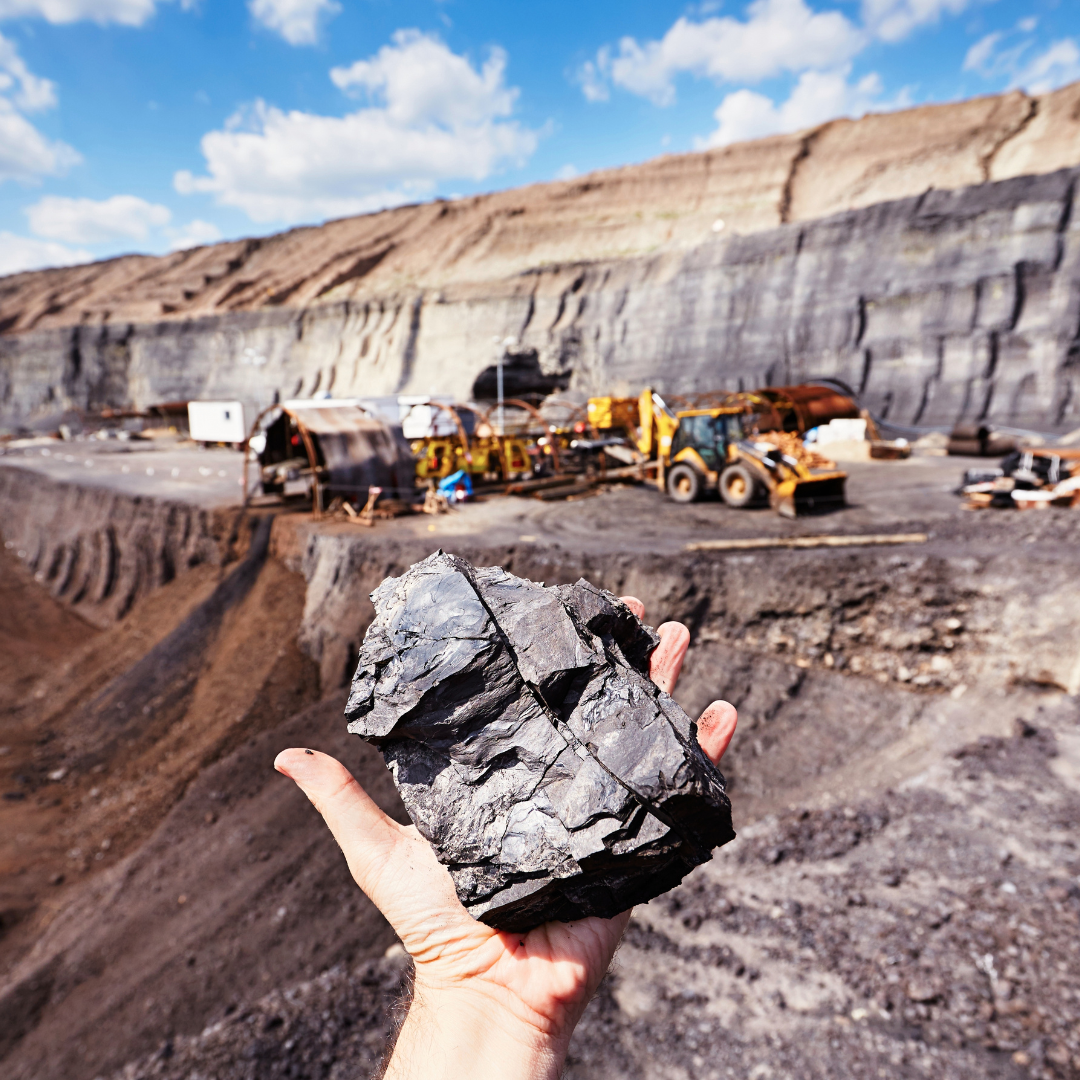
P1061C South American eXploration Initiative (SAXI): Stage 3
Overview: Inspired by the highly successful West African Exploration Initiative (WAXI) and positive results from the first stage, the SAXI program has progressed to the next stage. The overall aim of the program is to enhance the exploration potential of North-East South America through an integrated program of research and data gathering into the “anatomy” of the Guiana Shield and neighbouring terranes. Key motivations for undertaking this initiative are to assist exploration companies in focusing their activities in areas of maximum prospectivity;…
Under Development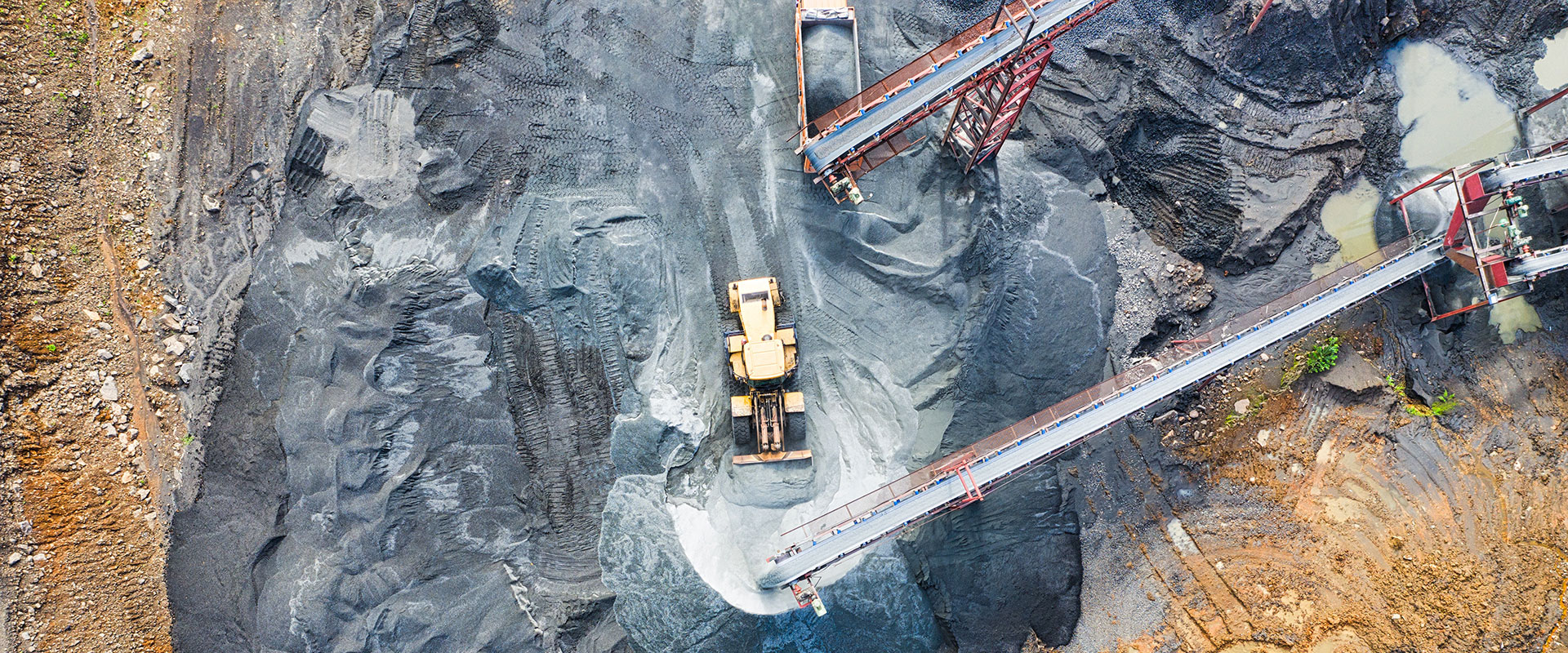
P1326 Decarbonisation of mining operations through the implementation of oil-hydrogen dualizing systems
This project seeks to generate diesel-green H2 dualization systems for six different types of engines. They will be tested in pilot programs at selected mining operations. While the project will initially take place in Chile, Peru, Brazil, or Colombia, there are plans to replicate it in other countries. Recent tests in Latin America that replaced some diesel with hydrogen found vehicle autonomy increased and the mechanical and structural integrity of the vehicles remained sound. The project lead is AndesH2, a…
 Romulo Sanhueza
Program Manager
Under Development
Romulo Sanhueza
Program Manager
Under Development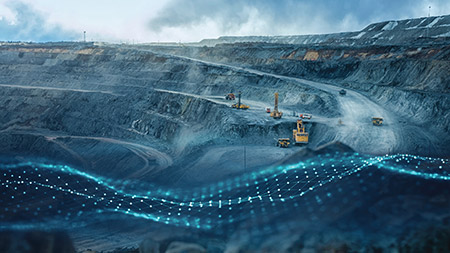
P1354 Digital Transformation of Mineral Processing through Integrated Modelling and AI
Combining physics-based understanding and artificial intelligence to improve throughput and recovery Program Overview Amira P1354 represents the next major step in the evolution and offers sponsors a unique opportunity to shape the next generation of mineral processing by building on the proven legacy of the P9 series to deliver research outlining enhanced expert models that directly improve plant optimisation, efficiency, and decision-making. Building on over six decades of international collaboration and modelling innovation, this project combines mechanistic process understanding with…
 Redeemina Comfort Bonnah
Program Manager
Under Development
Redeemina Comfort Bonnah
Program Manager
Under Development
P1344 Pan-African Decarbonisation Institute (PADI)
Be part of the leading development of Pan-African minerals sector talent and skills that can harness the decarbonisation opportunity Vision A self-sustaining pipeline of Pan-African research, operational, and technical leadership, talent, and skills in minerals decarbonisation from resource management through to product development and delivery Mission To create a virtual Pan-African institute of complementary and supplementary research, development and training that collaborates, connects, co-ordinates to co-create a pipeline of talented Africans that position Africa as a leading player in the…
 Bright Foli
Program Manager
Under Development
Bright Foli
Program Manager
Under Development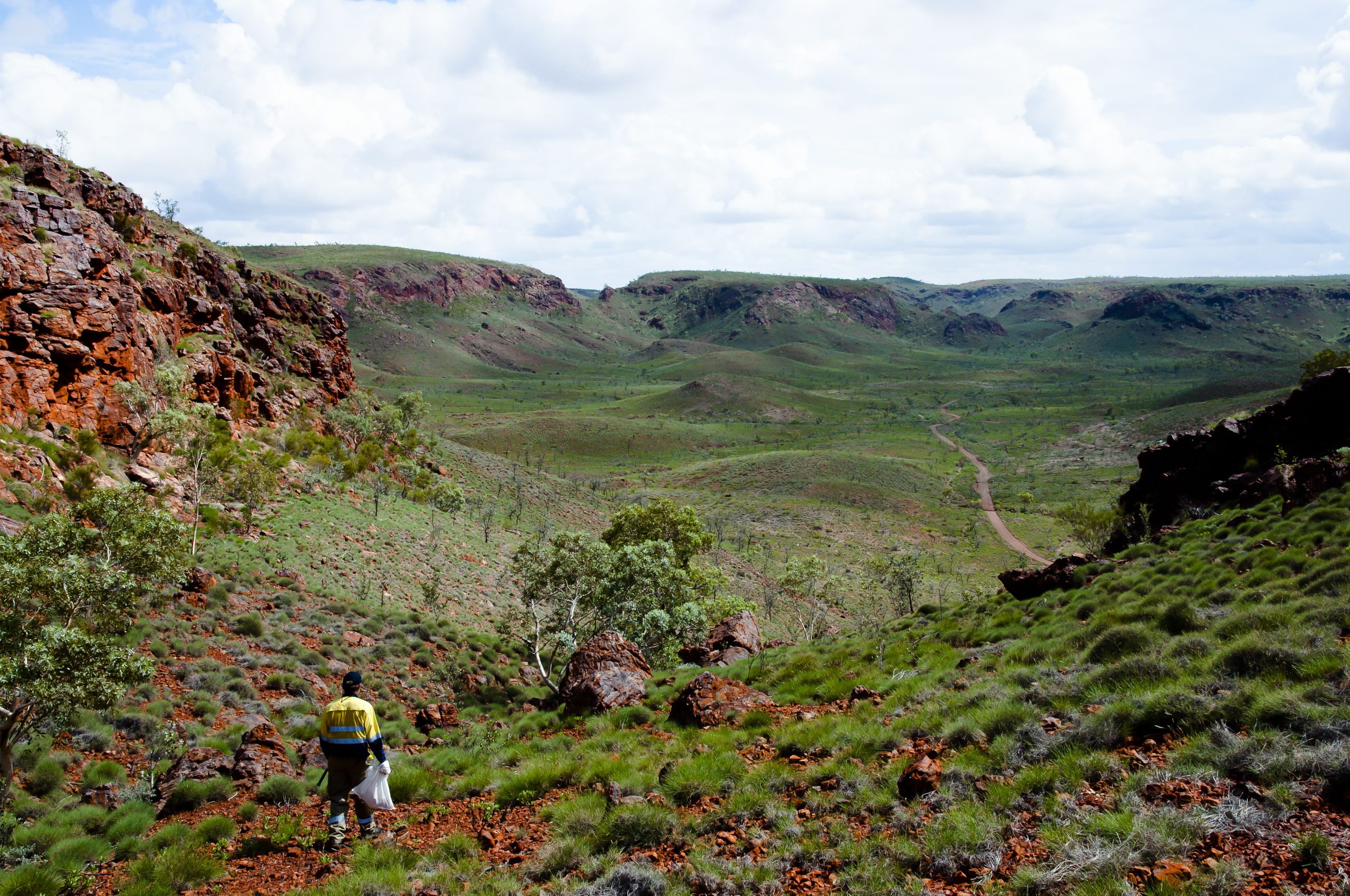
P1332 East African eXploration Initiative (EAXI)
Program Overview The East African eXploration Initiative (EAXI) is a four-year regional geoscience program designed to improve understanding of the base metal and gold exploration potential of East Africa. Building on the success of the West African eXploration Initiative (WAXI), EAXI applies an integrated research and data-generation approach to reveal the geological “anatomy” of one of the world’s most prospective yet underexplored regions. The program focuses on understanding metal transfer processes across the lithosphere by investigating the unique geological record…
Redeemina Bonnah
Project Manager
Under Development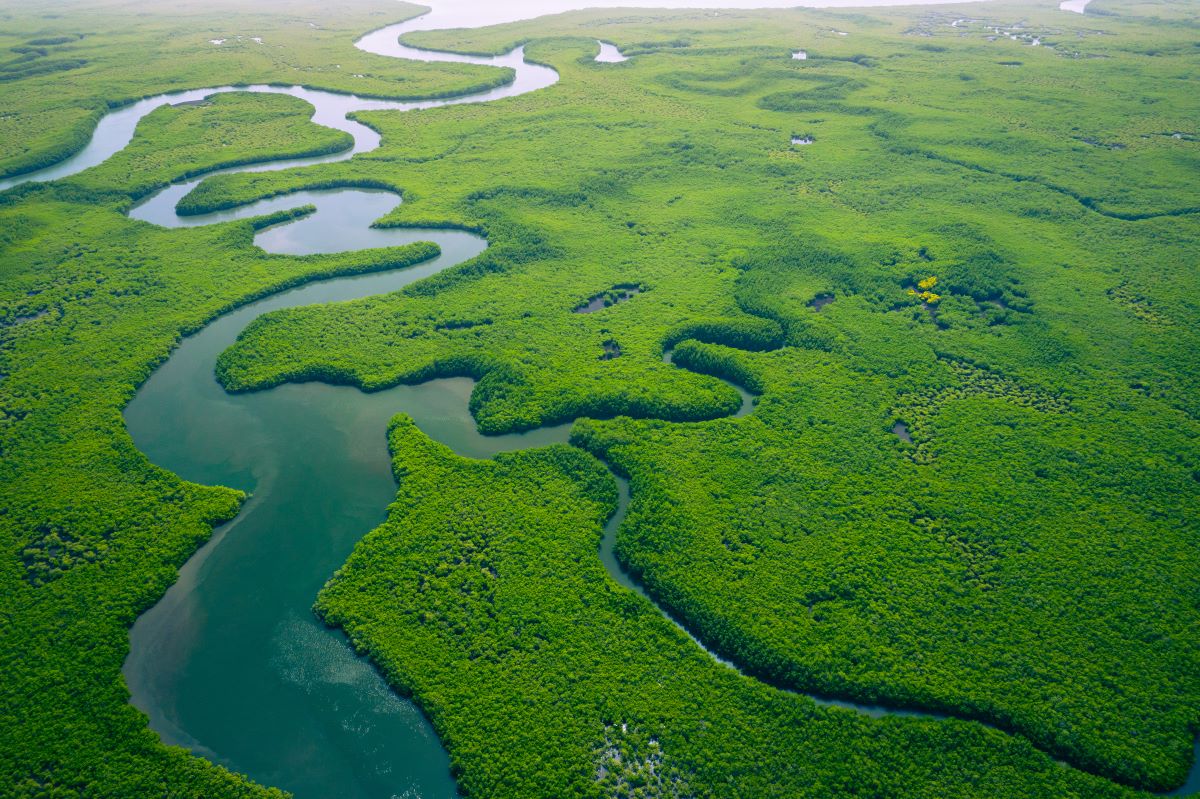
P1336 Global Basins Project
The Global Basins Project is an ambitious initiative designed to close the significant knowledge gap in the exploration of sedimentary basins for critical minerals required for the energy transition and CO2 emission reduction targets. Despite sediment-hosted stratiform copper (SSC) deposits, located in sedimentary basins, accounting for 20% of global copper production, these basins have been underexplored over the last 2-3 decades. To address this issue, the project aims to initiate a systematic, globally connected, multidisciplinary study of basin metallogeny to…
 Hayley McGillivray
Senior Project Manager
Under Development
Hayley McGillivray
Senior Project Manager
Under Development
P1331: Enhanced Treatment of Refractory Base Metal Ores
This project within the mineral processing framework is in responds to industry needs of treating refractory ores. Refractory gold ores is defined as ore that is difficult to recover through conventional circuit of crush-grind-leach. This project will utilize both new research and applied to solve peculiar problems or combination of problem from participants. The project will initially start with sites in West Africa sub-region and expand to other jurisdictions like South America and Australia as the project progresses. The objective of the…
 Bright Foli
Program Manager
Under Development
Bright Foli
Program Manager
Under Development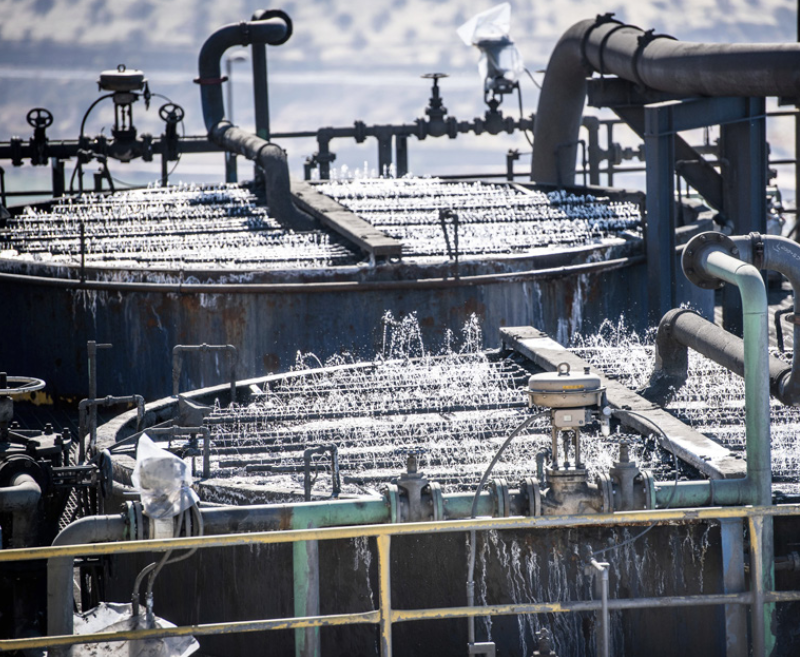
P1359A Coarse Particle Flotation and HydroFloat
Amira P1359A will employ Computational Fluid Dynamics (CFD) modelling to simulate the multiphase flow within the HydroFloat™ cell. This will enable the analysis of interactions between gas bubbles, liquid, and solid particles and help identify optimal operating conditions. Additionally, the research will explore innovative techniques, such as nano-bubbles, oily-bubbles, and aerosol collector dosing, to enhance bubble-particle attachment and improve recovery rates. These advanced methods have the potential to further increase the efficiency of the fluidized bed flotation system. This document…
Redeemina Comfort Bonnah
Program Manager
Open For Sponsorship
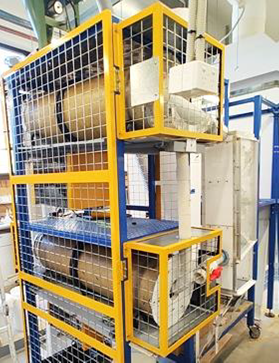
P1359B RIMM Process For The Recovery of Copper, Cobalt and REE From Low-grade Ores and Mineral Wastes
Program Overview P1359B is an Amira mineral processing research project focused on advancing the Resin in Moist Mix (RIMM) process for the recovery of copper, cobalt, rare earth elements (REE), and other strategic metals from low-grade ores and mineral wastes. The RIMM technology, developed by InnovEco Australia and tested at the University of South Australia, has demonstrated high recovery efficiency combined with low water and reagent consumption. The project aims to expand the current understanding of RIMM’s capability and applicability…
Redeemina Comfort Bonnah
Program Manager
Under Development
P1358B Development of a Geometallurgically Informed Model for Extraction of Critical Minerals (CMs) from Sulfide and Iron Tailing Piles
Program Overview P1358B is an Amira research project aimed at developing a geometallurgically-informed model for designing an efficient processing flowsheet to extract critical minerals from sulfide and iron ore tailings. While prioritizing critical mineral recovery, it will also assess the potential use of other main valuable components to enhance economic viability and sustainability by maximizing resource utilization and minimizing waste. By implementing advanced mineral processing techniques, we seek to unlock economic value, enhance Mineral Resource recovery, and address the growing…
Redeemina Comfort Bonnah
Program Manager
Under Development
Centers of Excellence
Declining availability of talent and skills is increasingly undermining industry’s productivity, particularly in areas of tailings monitoring, volume reduction, and repurposing. Underlying this challenge is a decline in investment by both governments and industry in academic institutions resulting in the shrinking and closure of core academic departments. While borrowing from R&D outcomes from other sectors (e.g., robotics and automation) is sensible and economically astute, the industry investment trends are now impacting mining industry core sciences of geosciences, mineral processing, and…
Redeemina Bonnah
Program Manager
